A family that lives in five countries still has one history. Most of it is going unrecorded.
The Indian diaspora is among the largest and oldest in the world, and among the least documented at the family level. The ECO Files funds the work of capturing it — the village name, the mother tongue, the elders' voices — before the generation that holds it is gone.
The communities this program serves
Four broad migration streams, each with a different relationship to memory and a different risk of losing it.
Mauritius · Trinidad and Tobago · Guyana · Suriname · South Africa · Kenya · Myanmar
The long journeys
Families who crossed the kala pani generations ago, on indenture ships and as traders, clerks, and teachers. Often the village name survives only inside a surname or a single story. What remains is the ship, the plantation, the first shop — and whoever is still alive to name them.
Fiji · and onward to Australia, New Zealand, Canada, United States
Fiji and the girmit generations
From 1879 the girmitiyas came to Fiji under indenture, and their grandchildren never let India go: Fiji Hindi at home, Ramayan mandalis, Diwali and Holi across the islands, the name of a district in Uttar Pradesh or Bihar kept alive in family talk. Many have since moved again — to Sydney, Auckland, Vancouver, and California — putting three countries between a child and the farm their family worked.
The communities this program serves, continued
United Arab Emirates · Saudi Arabia · Oman · Qatar · Kuwait · Bahrain
The Gulf
A father in Dubai, a mother and children in Kerala, a brother in Riyadh. Families that live apart for years at a time, by design and by economics. Without a shared record, the years apart leave no family history at all.
United States · United Kingdom · Canada · Australia · New Zealand · Singapore · Malaysia
The newer diaspora
Children who answer their grandmother in English. Weddings watched on a phone at three in the morning. Families spread across time zones that meet properly once every few years, and lose a language in a single generation.
What a family is trying to hold on to
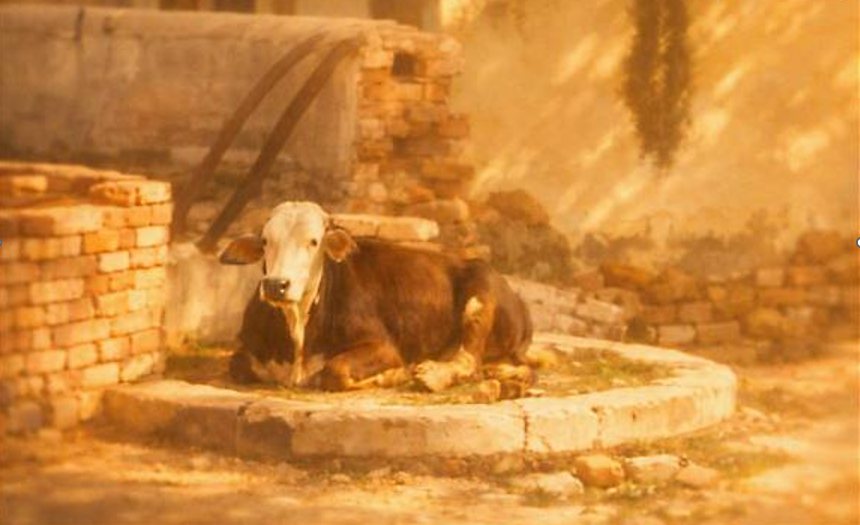
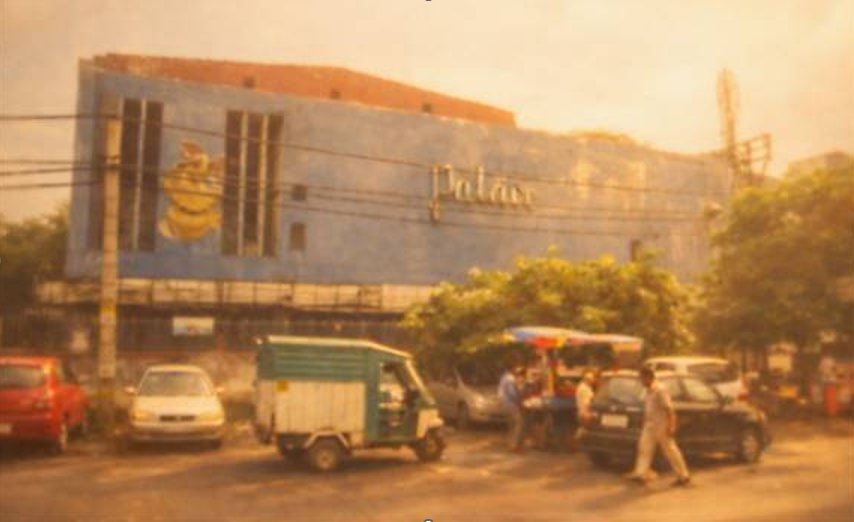
Roshanara Road in Delhi, and the village of Billa. Two photographs from one family behind this project. Most families have no pictures like these, and nowhere to keep them if they did.
What the work actually consists of
Grant funding pays for community access to a private, invite-only platform built for exactly this. Nothing here is public, advertised, or sold on.
Elders' voices, recorded
Blessings, stories, and recipes captured in an elder's own voice while they are here to give them — the single most time-sensitive part of the work.
The mother tongue, kept
A family's own word list in Hindi, Fiji Hindi, Punjabi, Gujarati, Tamil, Malayalam, Telugu, Bhojpuri, Urdu, or Bengali. Words children hear spoken by a relative, not read in a textbook.
The place it started
The ancestral village, the house, the temple, gurdwara, or mosque, pinned and described. Even if nobody has been back in a hundred years, the next generation can find it.
The route, mapped
Every branch and every country on one view — Pune to Port Louis, Lautoka to Sydney, Kochi to Dubai, Jalandhar to Surrey — so a scattered family can see itself whole.
Kinship, named correctly
Chacha, mama, bua, masi. The right word for every relative, preserved rather than flattened into cousin and aunt.
Messages held for later
Sealed messages from elders, opened at a grandchild's wedding or eighteenth birthday. Memory passed forward on a schedule the family sets.
Why this needs philanthropic funding
The families with the most at risk of losing their history are consistently the ones least able to pay to preserve it. Indenture-descended communities, Gulf labor families, and recent working-class migrants are precisely the households where a subscription is out of reach and where the last fluent speaker is in their eighties.
The ECO Files exists to remove cost as the deciding factor. Grants and donations are received by our fiscal sponsor and used to fund community access outright. The platform already exists and already operates, so funding goes to reaching communities rather than to building tools.
What a community receives is permanent. Its archive remains intact and fully exportable even if funding ends — the family keeps its stories regardless of what happens to the grant.
Grant and legal details, including our fiscal sponsor and EIN
Contact
If you fund cultural heritage, language preservation, diaspora communities, or aging and memory programs, we would like to talk. We respond directly.
ECO Reflections
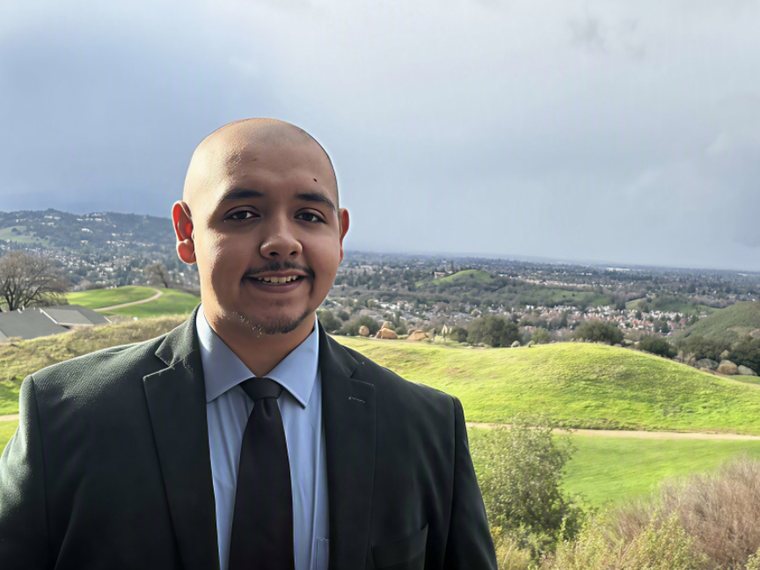
The project's public podcast, hosted by Isaiah Bakshi, takes up exactly these questions. Season one, episode one is the best introduction for this audience. Free to listen. Watch episode one, or see all episodes.
The ECO Files is a fiscally sponsored project of Non Profit Accounting Service, a 501(c)(3) public charity (EIN 88-3445197). EternalCurrent.Online is a product of CRUNOD LLC and is a paid platform vendor to the project.